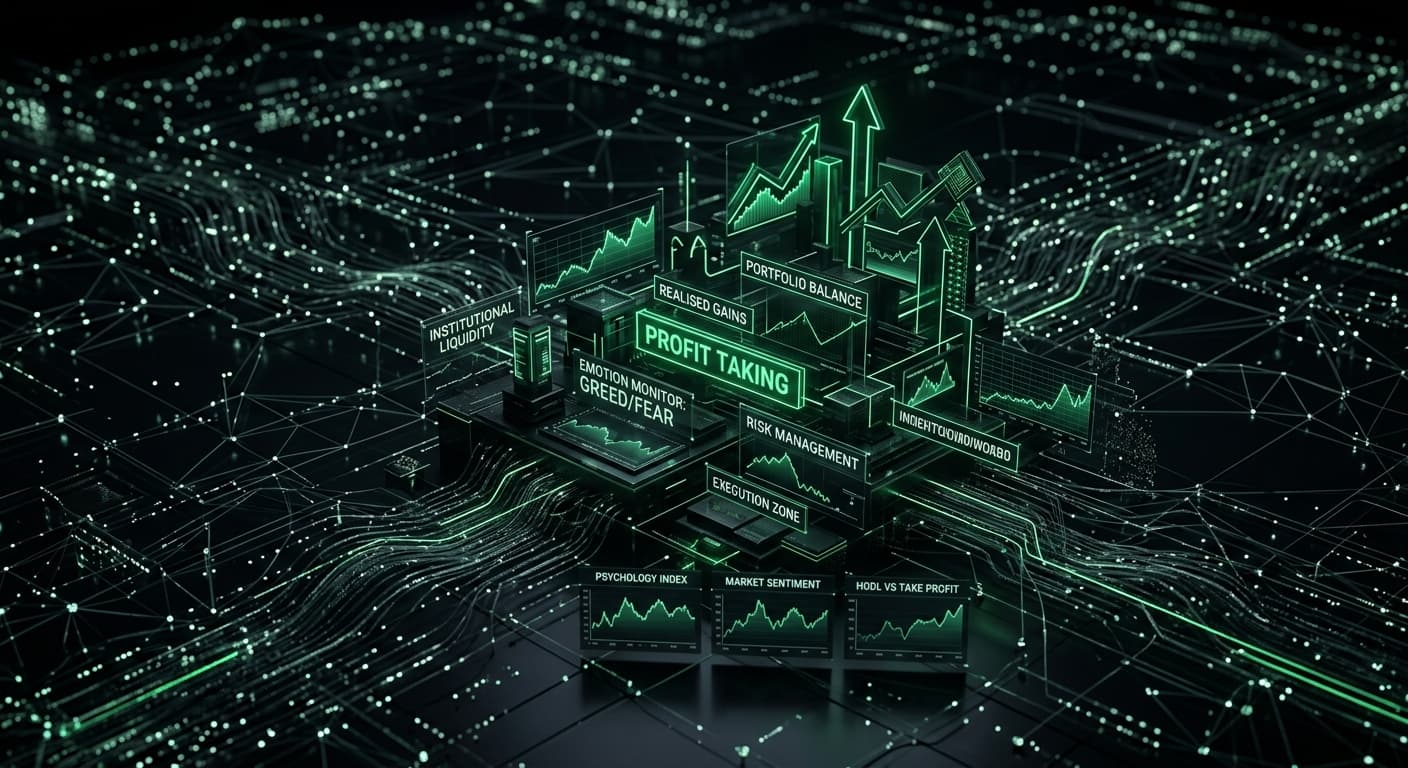
Exiting a micro-cap position with a few thousand dollars is trivial. Exiting a multi-million-dollar portfolio from illiquid on-chain or off-chain asset pools is a highly complex engineering task. If you execute your orders incorrectly, you risk triggering panic selling or losing a massive percentage of capital to execution slippage.
Calculating Order Book Absorption Limits
The true liquidity of an asset is not represented by its fully diluted market capitalization. It is defined by its Bid-Side Depth—the aggregate amount of buy limits queued in the order book or the dynamic liquidity depth of an automated market-making pool.
To execute large-scale liquidations without devitalizing price:
- The 1% Rule of Depth: Calculate the aggregate capital sitting in public books within 1% to 2% of the active mid-price.
- Time-Weighted Average Price (TWAP): Programmatically split larger exits into small, sub-liquid pieces executed over precise time blocks (seconds, minutes, or hours).
- Direct OTC Settlements: For highly appreciated allocations, execute private transactions directly with over-the-counter desks to completely decouple your trade execution from active public exchanges.
Preventing slippage Loss
Failing to analyze bid-side density before executing trades leads to massive execution losses. Systematize your exit strategy to scale out of volatile positions while buying volumes are high enough to absorb your liquidations seamlessly.
📊 Execute with Institutional Efficiency
Stop leaking precious exit gains to bots and frontrunners. Structure your programmatic exit plan with exitWise today. Open Exit Planner →